
Workflow automation has evolved from luxury to necessity for businesses seeking scale without ballooning overhead. By connecting disparate systems and eliminating repetitive tasks, automation frees teams for strategic work.
1. Mapping Your Current Processes
Document every step, decision point, and handoff across departments. This baseline reveals redundancies, bottlenecks, and opportunities where automation delivers the highest return on investment.
2. Choosing the Right Automation Tools
Options span no-code platforms for business users, low-code for hybrid teams, and full-code for engineering-driven organizations. Select tools matching your team's technical maturity.
3. Designing Trigger-Based Workflows
Define triggers and conditional logic. When an event occurs such as a form submission or payment received, the system executes predefined sequences without human intervention.
4. Integrating Cross-Departmental Systems
True end-to-end automation breaks silos between sales, marketing, finance, and operations. A single customer action triggers updates across CRM, accounting, and project management.
5. Monitoring, Testing, and Iterating
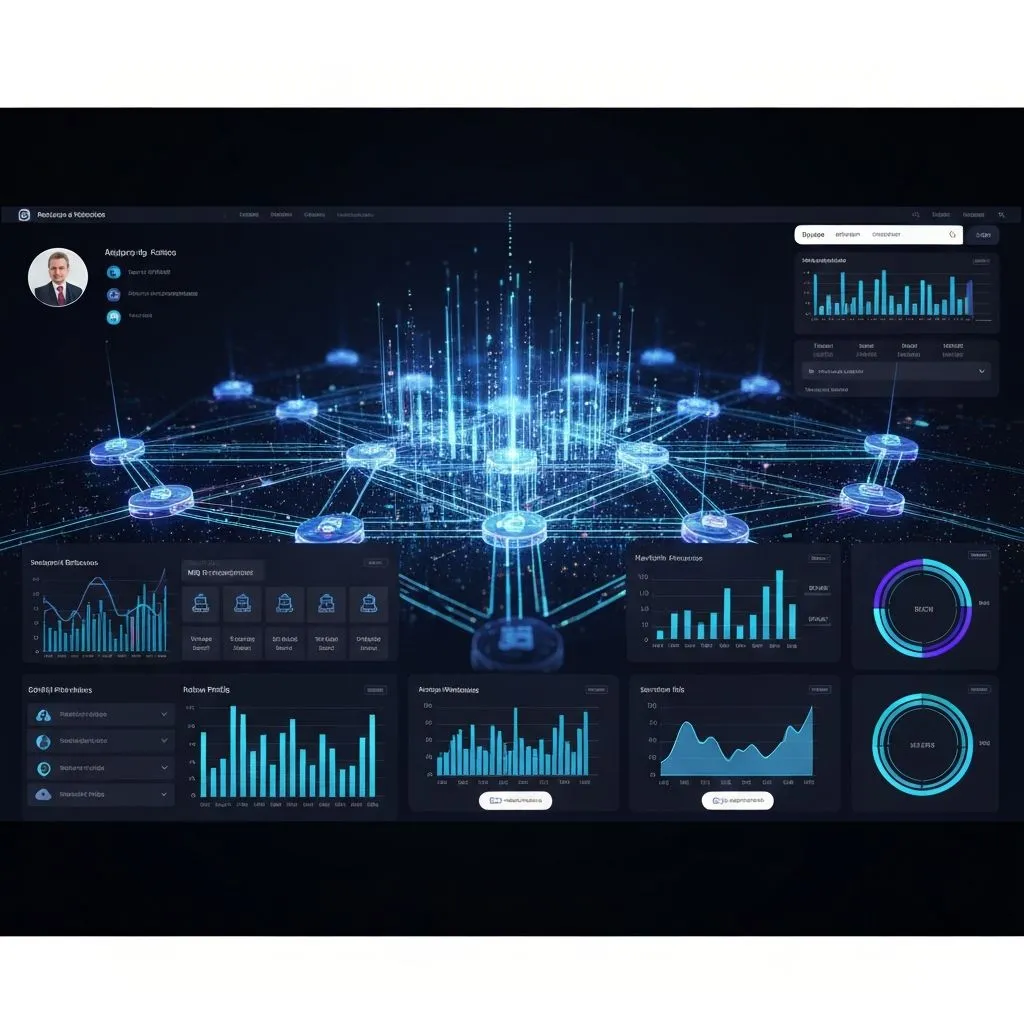
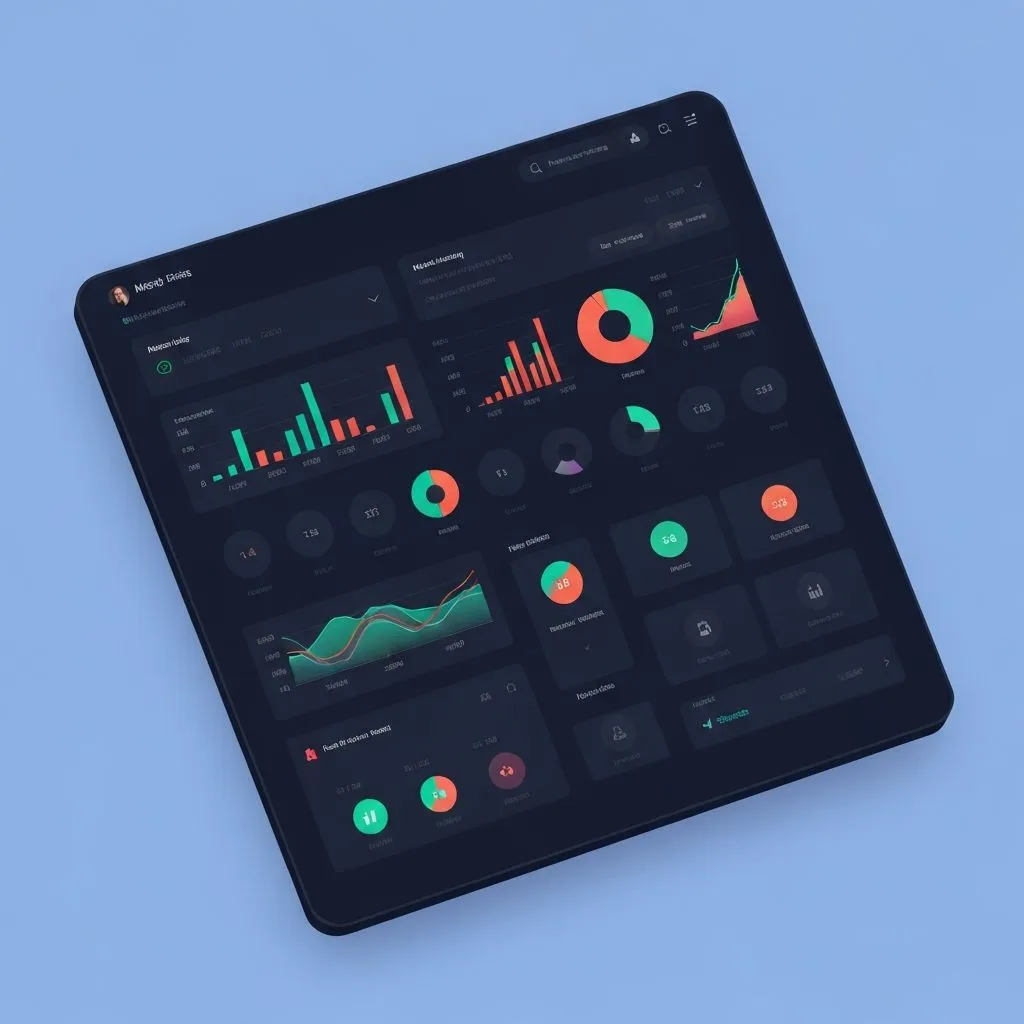
Establish dashboards tracking completion rates, error frequencies, and processing times. Regularly audit against evolving requirements and refine trigger conditions.
Conclusion
SKYLINK designs and implements automation solutions tailored to your operational landscape, helping you scale efficiently without compromising quality.
SkyLink Team
Process Improvement Specialist
SkyLink Team is a seasoned technology professional with extensive experience in business automation. At SkyLink, they lead initiatives that drive innovation and deliver exceptional results for our clients.